- Tidbits by Thomas
- Posts
- Why the Location Is the Spine of Every Great Story
Why the Location Is the Spine of Every Great Story
Writing becomes exponentially easier when you know the ingredients you're working with.

Thomas Percy Kim
October 23, 2025
Hi all!
Good to be back on here. Hoping to get more into these newsletters with shorter, bite-sized stories over the coming months.
I’m currently recovering from jet-lag after spending the past month roadtripping/zig-zagging across the countryside of Korea with my dad, location scouting for my next feature film tentatively titled, STARING AT THE SUN.
A quick logline:
When a Korean-American family returns to Korea for their grandfather’s 80th birthday, an unexpected stroke forces them to stay longer than planned – uprooting each member’s sense of belonging as they confront a rapidly modernizing society, deep family resentments, and a haunted home that no longer remembers them.
It’s a story about pride, failure, and how tradition can evolve instead of disappearing. But before I could rewrite the next draft, I needed to find the world it takes place in.
The most overlooked part of filmmaking
When you look at a rectangular film frame, most of it is taken up by two things: the actor’s face, and the location they’re standing in.
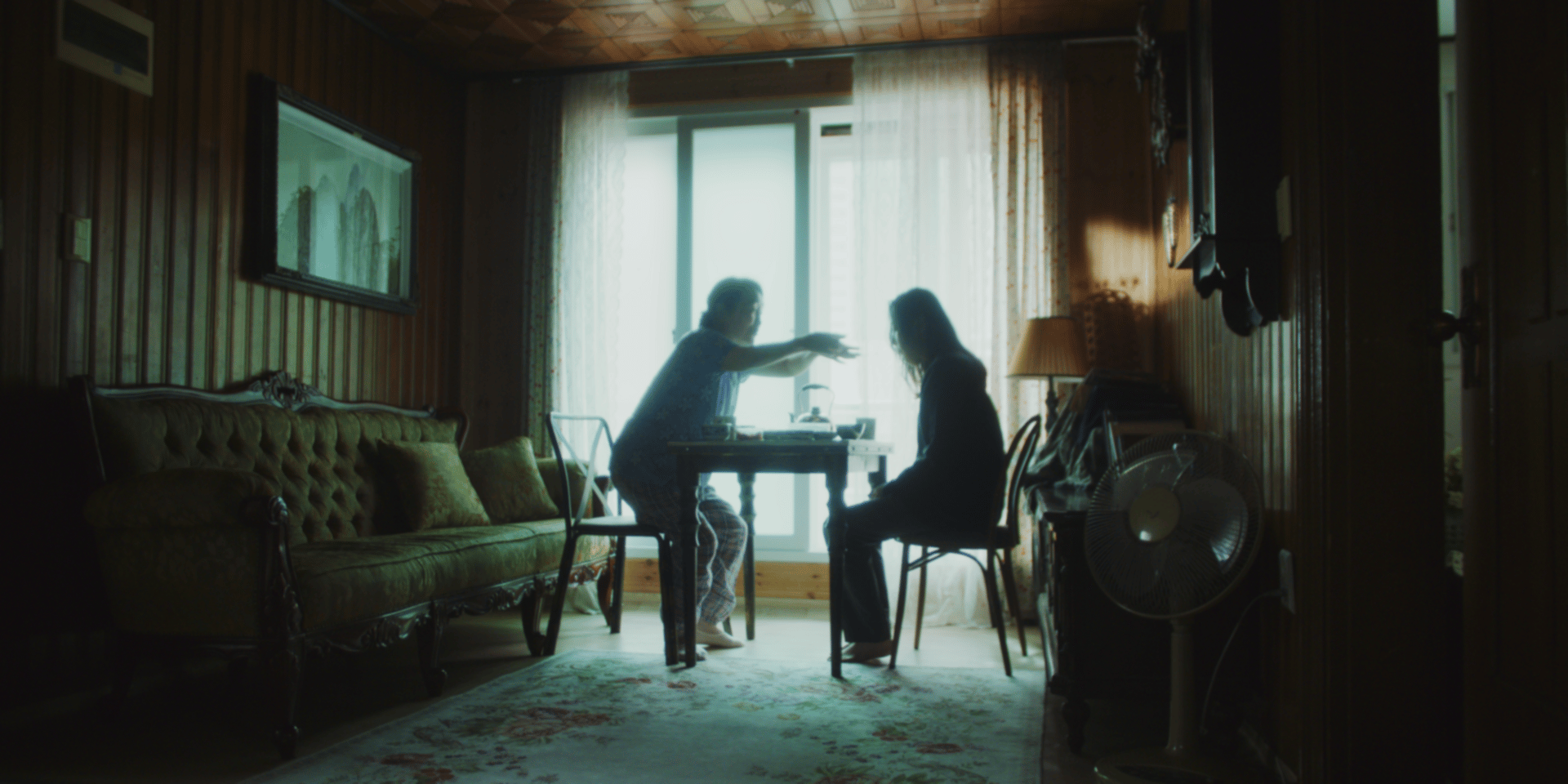
A still from my short, BUSAN 1999 (a rough proof-of-concept for STARING AT THE SUN)
Yes, the lens, lighting, and production design matter. But they’re really all just enhancements, detailing, to the foundations, the raw location.
A great location isn’t just “pretty.” It’s the “sandbox” for visual storytelling.
its architecture gives you natural blocking ideas,
its windows and corridors shape the lighting,
its surfaces and colors dictate the production design.
The space gives you blocking ideas, motivates camera movement, and even dictates tone.
That’s why I think location scouting should happen before your “final” draft.
Most filmmakers write first, then scramble in the last few weeks before production to find a place that’s close enough. But that’s like tailoring your dream suit and then realizing you have to wear someone else’s body to fit it.
I’d rather find the space first, then rewrite the working draft script to breathe within it. Real creativity comes from adaptation; unless you have an $11 million PARASITE-level budget to build sets from scratch, it’s almost always better to find your world first, then rewrite to fit it.
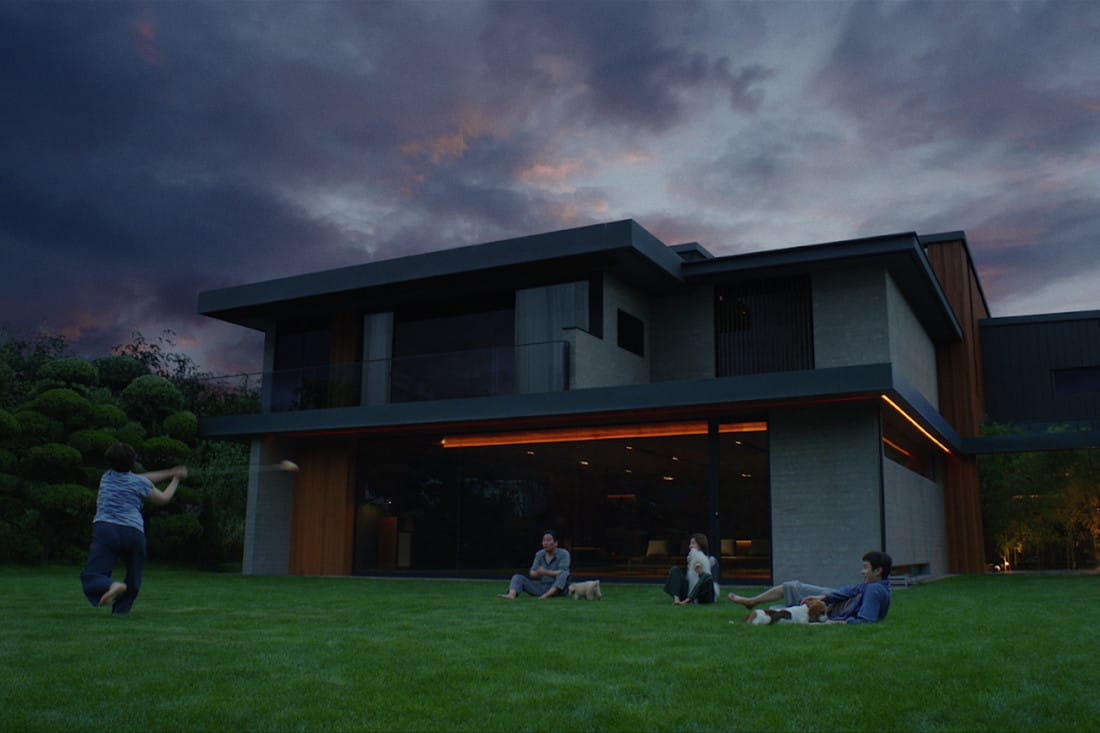
The house in PARASITE
The road trip
So I took the money I earned from a recent commercial gig (it’s a huge, hilarious one — stay tuned!) and spent most of it on this trip.
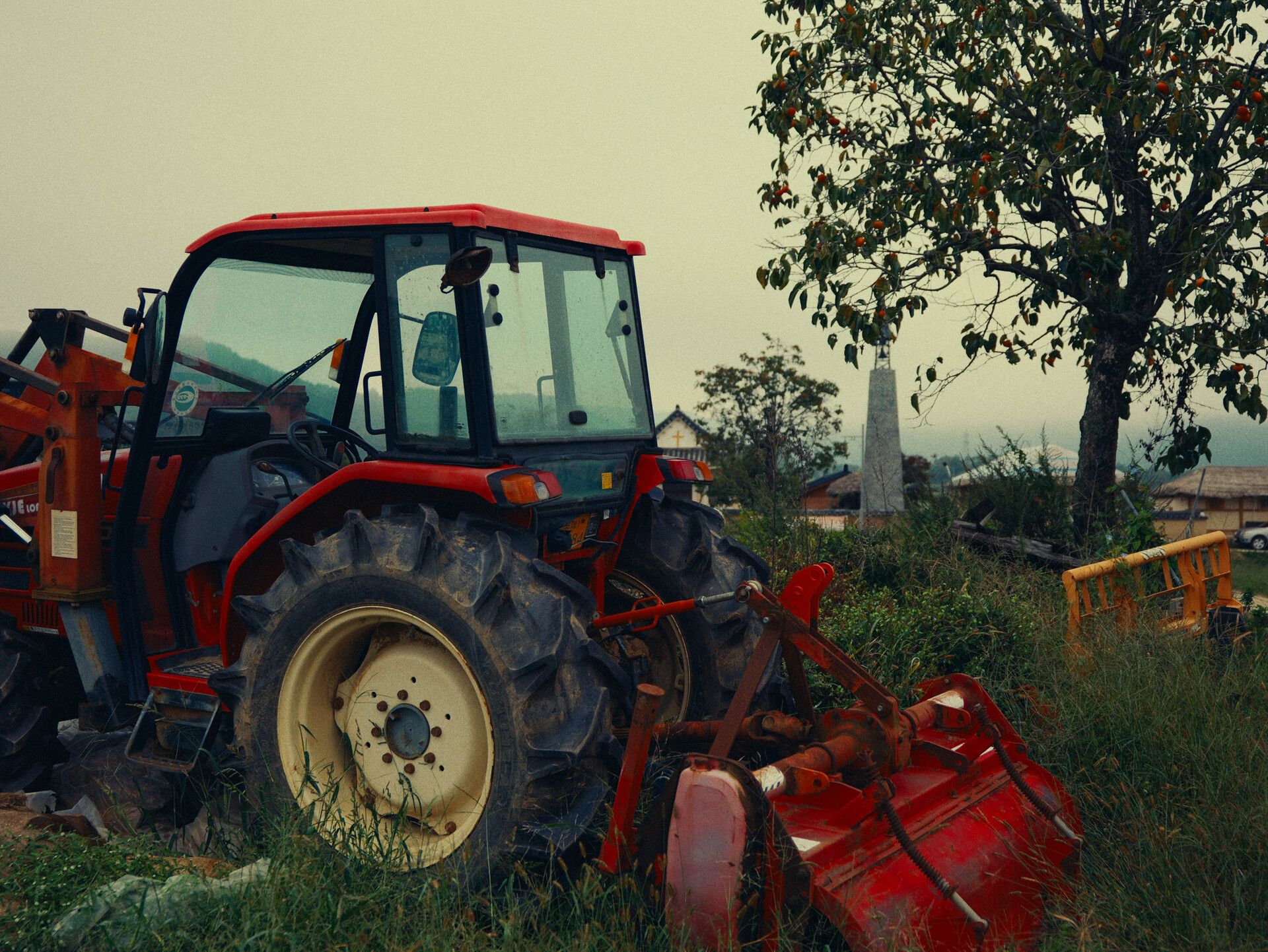
My dad and I drove from Jeolla to Gyeongsang to the far reaches of Busan, meeting locals, eating way too many convenience-store kimbaps, and stopping at every countryside house that looked remotely cinematic.
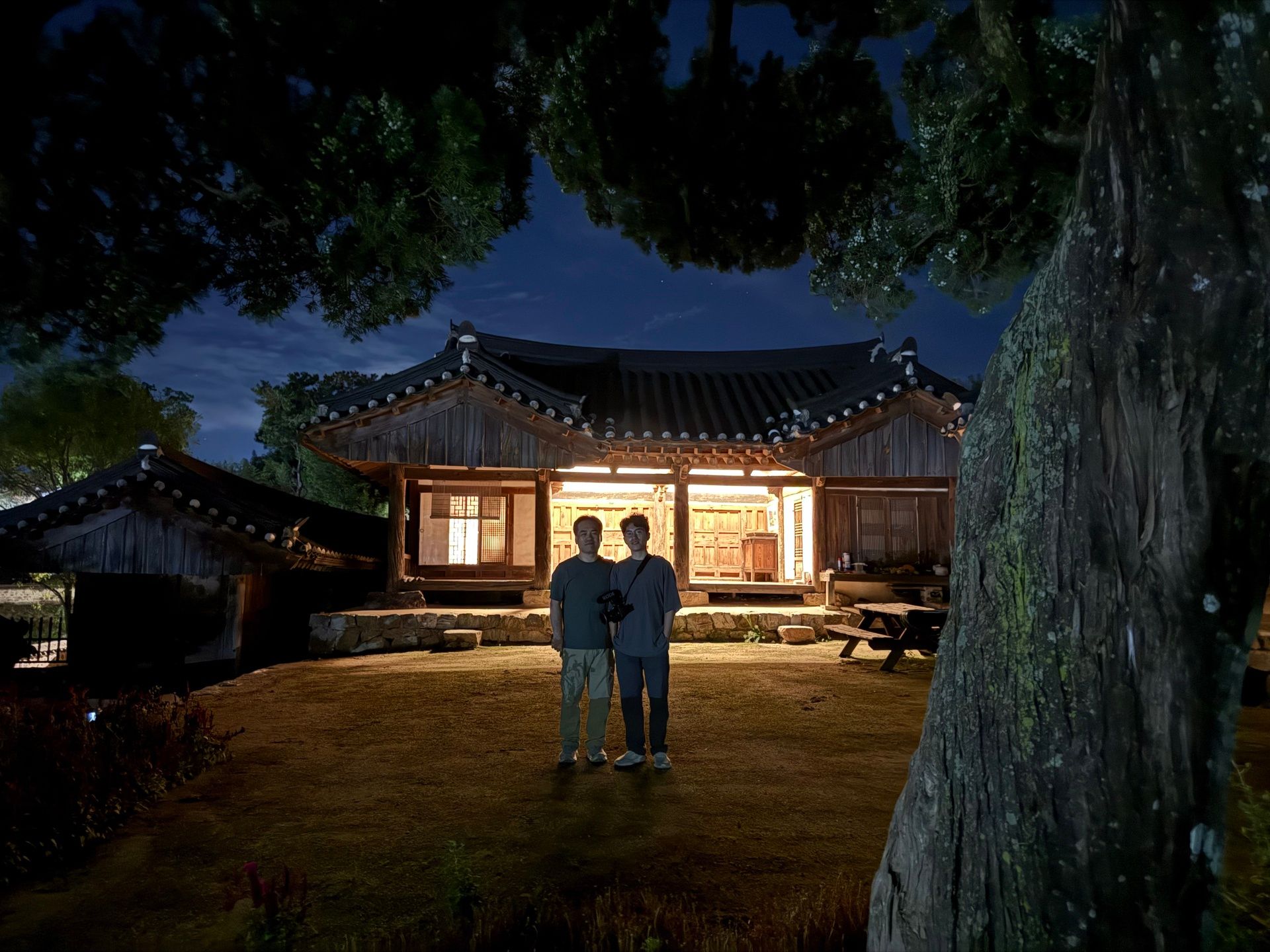
My very first father-son bonding trip lol
At one point, we thought we’d found the perfect home (it checked all the boxes) but the elderly couple who owned it didn’t want to be bothered. We tried, politely, to warm up to them… but no luck.

The house that “checked all the boxes”… at least from the outside!
Then, a few days later, we found it.
A traditional korean home tucked away in the hills, hand-built generations ago and preserved like a living museum. Every corner told a story: the slanted window panes, the underground heating, the handmade tools still on the walls.
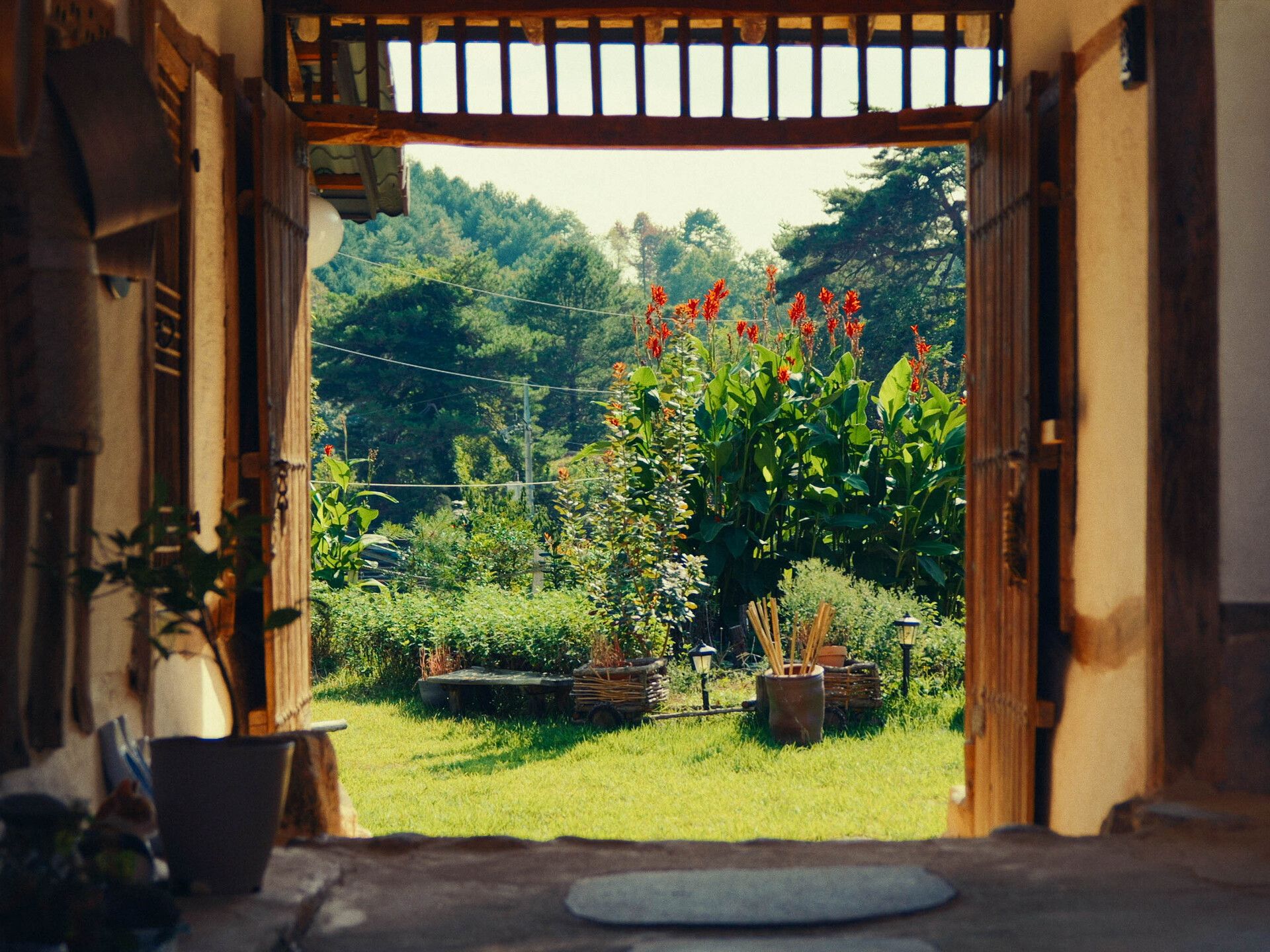
From the inside looking out

Look at that TEXTURE!
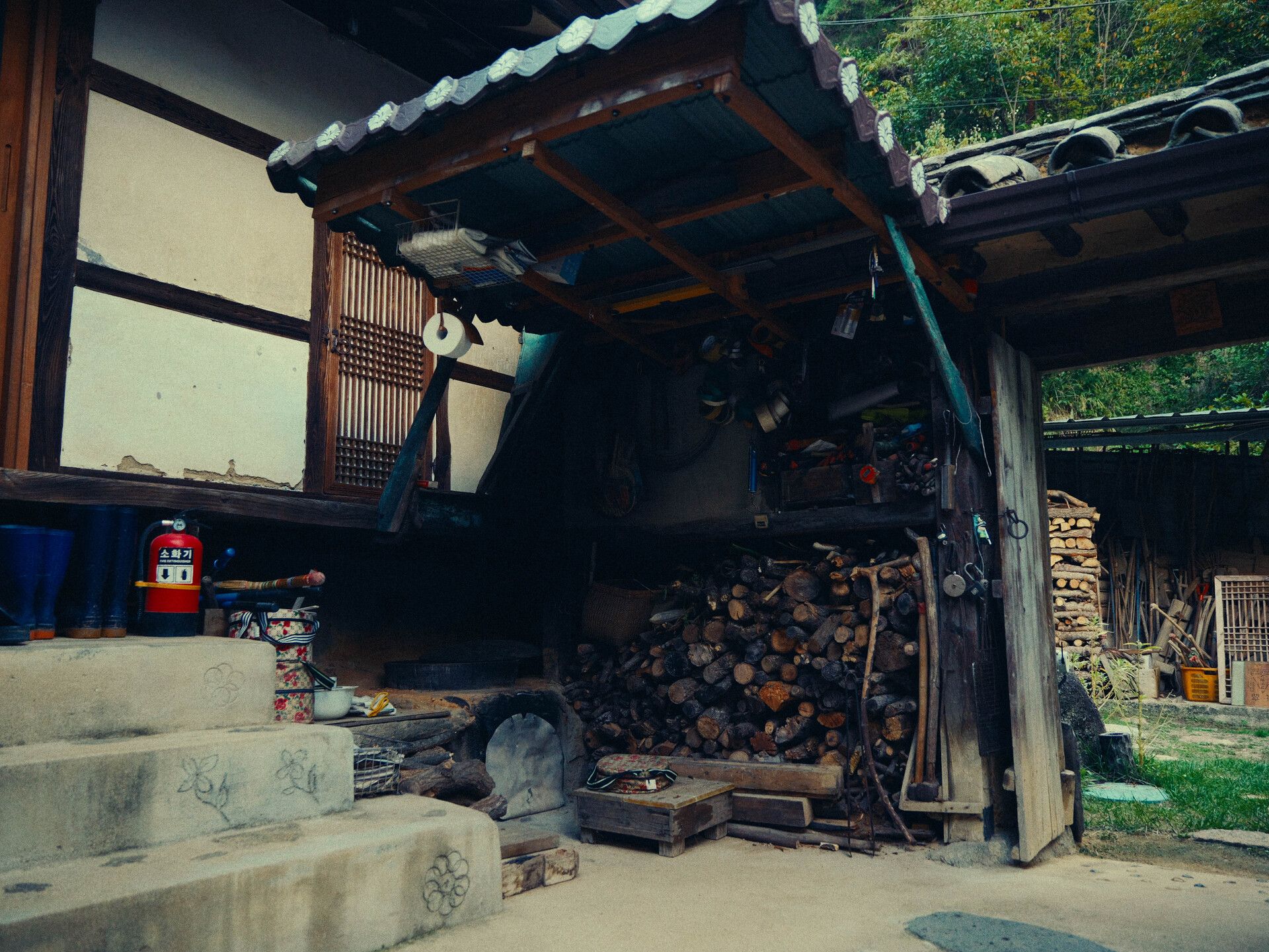
That is history and love.
The owners (another elderly couple) were warm, curious, and genuinely excited about our project. My dad, a former architect, immediately started nerding out over the structure and layout, while I couldn’t stop marveling at all the unique angles — how every element was built for both function and beauty.
If anything, the house looked too nice. In the film, it’s supposed to feel a bit aged and worn. But it was easily one of the most cinematic houses I’ve ever seen — every time I lifted my camera, a new angle revealed an entirely new story. We knew this was it. We had to convince them to let us film here.
The first day, they gave us a long tour of the exterior. On the second day, we invited them to dinner at one of the only restaurants in this countryside town, followed by a long evening walk. By the final day, we were eating at their house exploring every inch of the interior that we’d only dreamt of seeing.
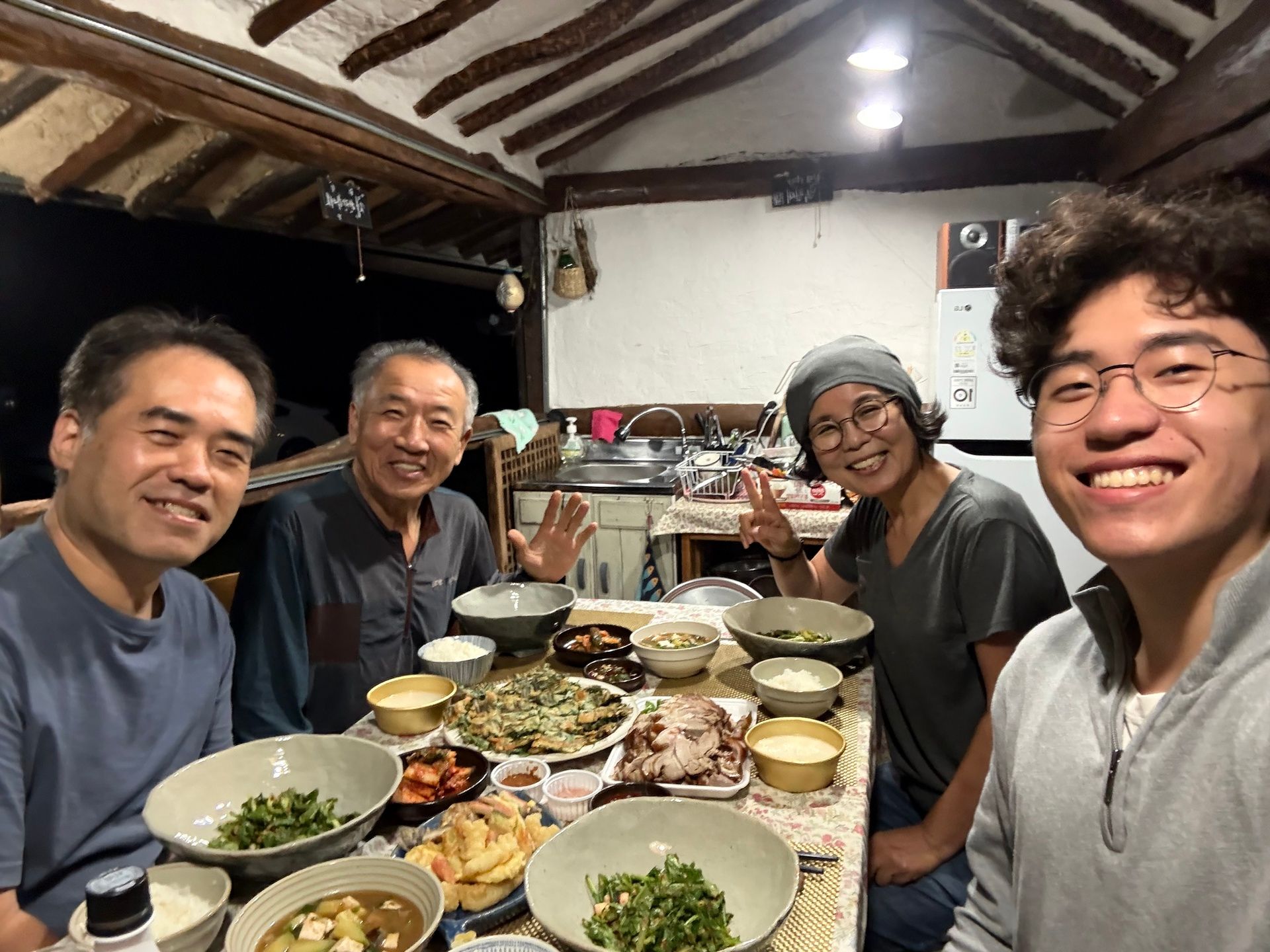
This is what no one tells you about indie filmmaking… it’s not JUST filmmaking.
Now we have a group chat on Korea’s messaging app, KakaoTalk, called “Totoro House” (referencing a big inspiration for the movie, MY NEIGHBOR TOTORO).
Writing to the world, not against it
That house changed how I saw my movie…
Once I walked through those rooms, I let go of my old vision of the script. Instead, I started rewriting to follow it.
That’s when writing becomes easy: when you actually know the ingredients you’re working with. You don’t have to guess as much. You can lessen the “variables” and create a final film that’s much more accurate to your original vision.

Other locations…

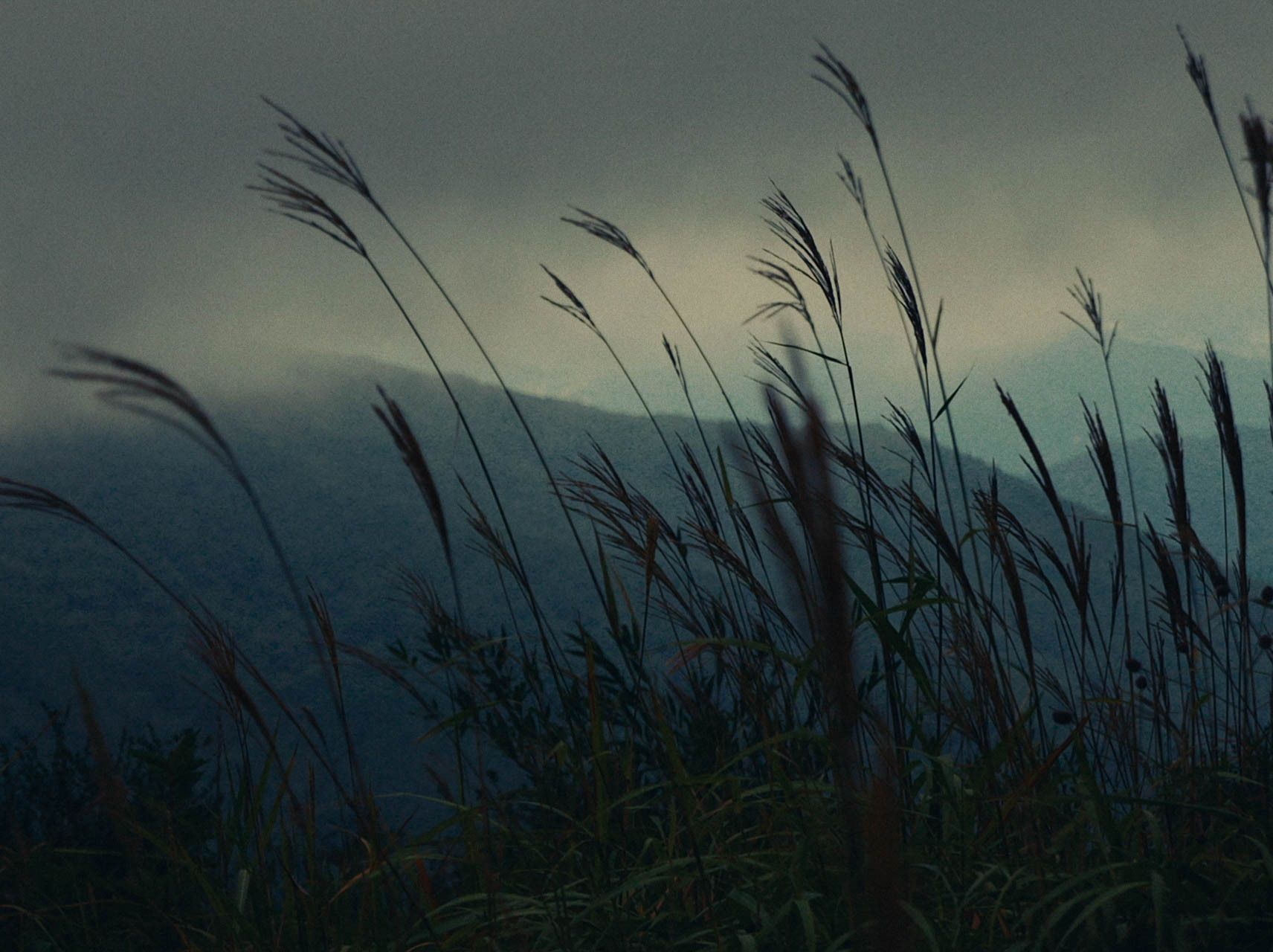
The mountaintop…

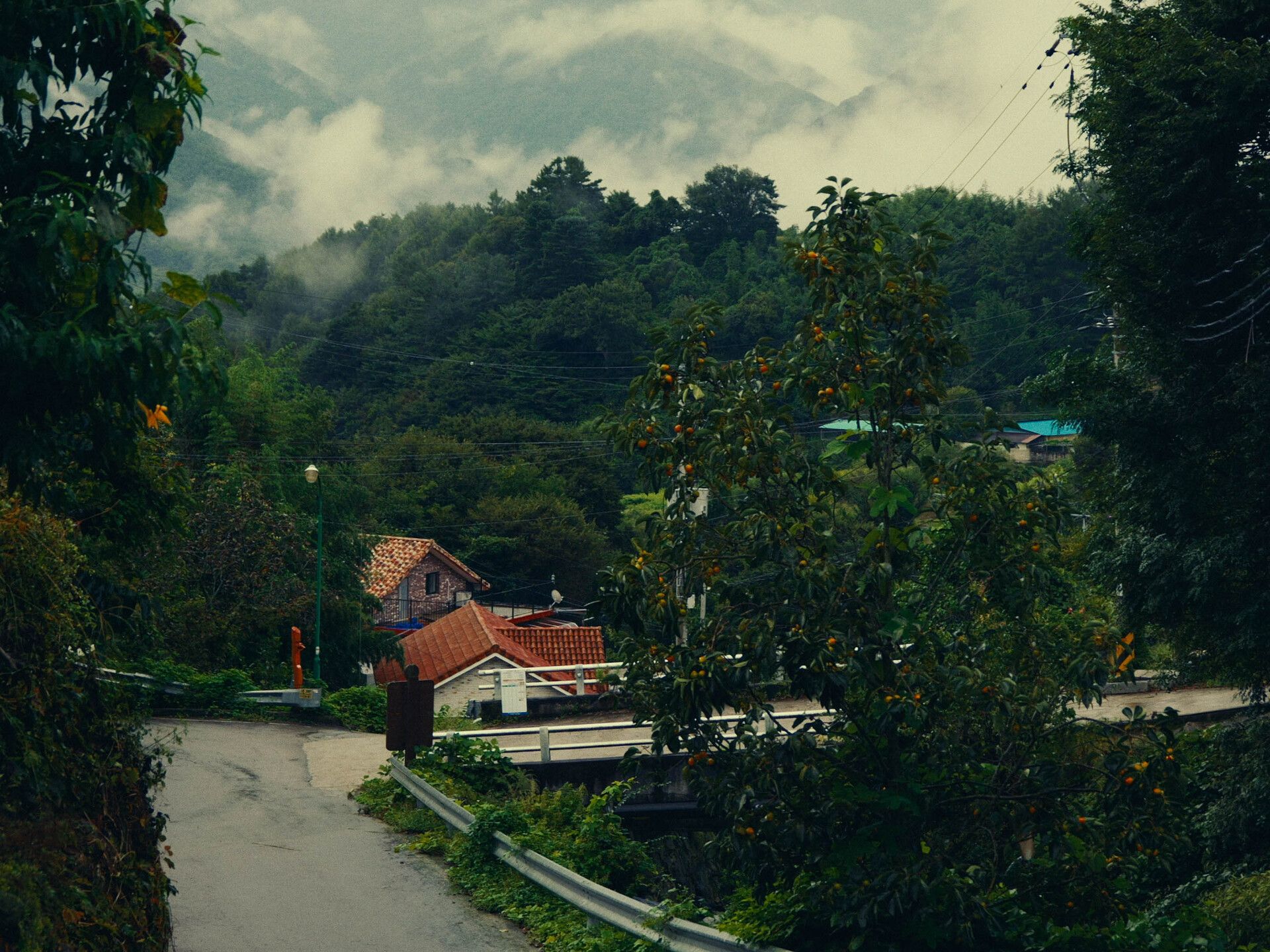
So many more incredible locations and images I don’t have space to include!
What’s next
I’m planning to shoot STARING AT THE SUN next summer, even if I have to bootstrap it myself using the same permissionless methods (crowd-equity) I used to finance my first feature, ISLE CHILD.
In the meantime, we’re also gearing up to completely rewrite and disrupt the traditional distribution model for independent films with ISLE CHILD — bringing the movie to every screen near you early next year. Stay tuned.
And if you want to learn how to raise financing for your own feature, I spent the past year creating the Ultimate Crowd-Equity Guide — a complete 150-page breakdown of how I raised $1M for my first film and helped others do the same. NOTE: it’s made for more advanced filmmakers ready to take the leap.
(40% discount code at the bottom of page)
If you’re earlier in your journey — still making shorts, building your portfolio, or figuring out how festivals and positioning work — I’m working on a new Beginner’s Crash Course e-book that includes video modules. Join the waitlist here.
Where are you in your filmmaking journey right now?
A) I’m ready to dive into a feature / independent TV.
B) I’m still mastering shorts and festivals.
C) Starting from zero and need some direction.
Just reply to this email with your answer and/or a filmmaking question you’d like answered in the Beginner’s guide — and follow me on Instagram @thomas.pk to be notified when it drops!
More soon,
Thomas Percy Kim
Reply