- The Vandalist Academy
- Posts
- You Are One Edit Away From an Award-Winning Film
You Are One Edit Away From an Award-Winning Film
What six years, a brilliant editor, and a sold-out premiere taught me about letting go.

Thomas Percy Kim
May 06, 2025
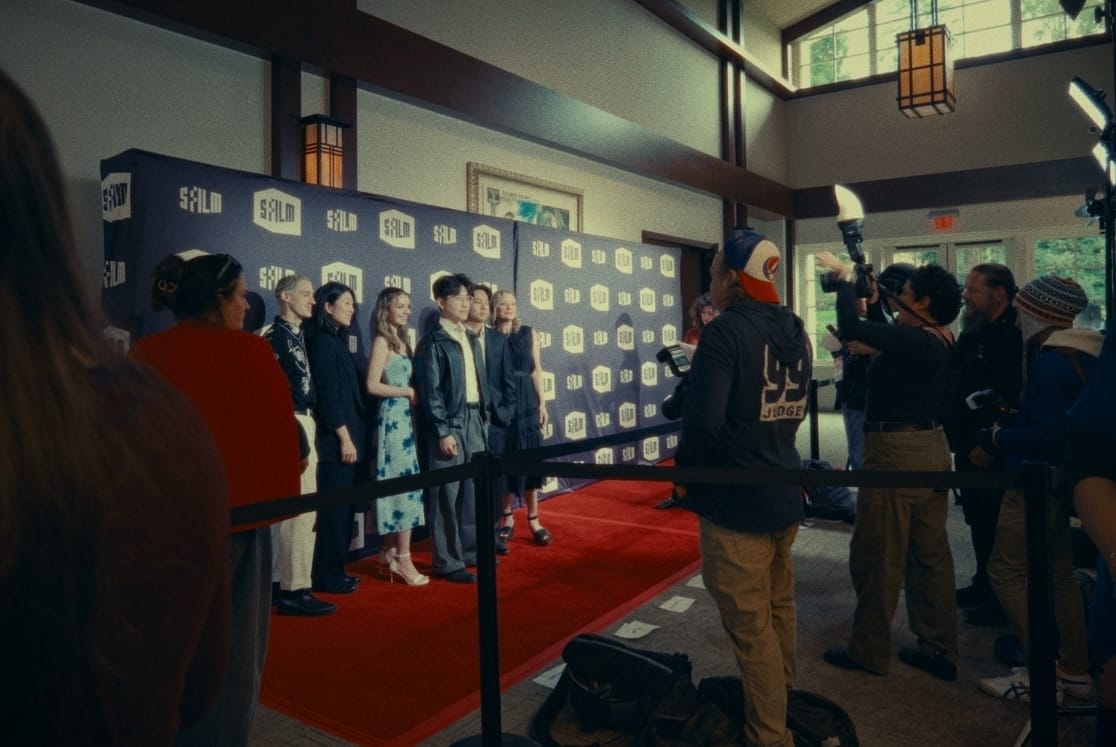
We Premiered My Debut Feature Film. Here's What I Learned.
Last Friday, my debut feature film ISLE CHILD had its world premiere at the San Francisco International Film Festival — to a 280 sold out crowd. After six and a half years of writing, dreaming, rewriting, fundraising, shooting, and surviving post-production... we finally got to show it to the public for the very first time.
It was surreal.
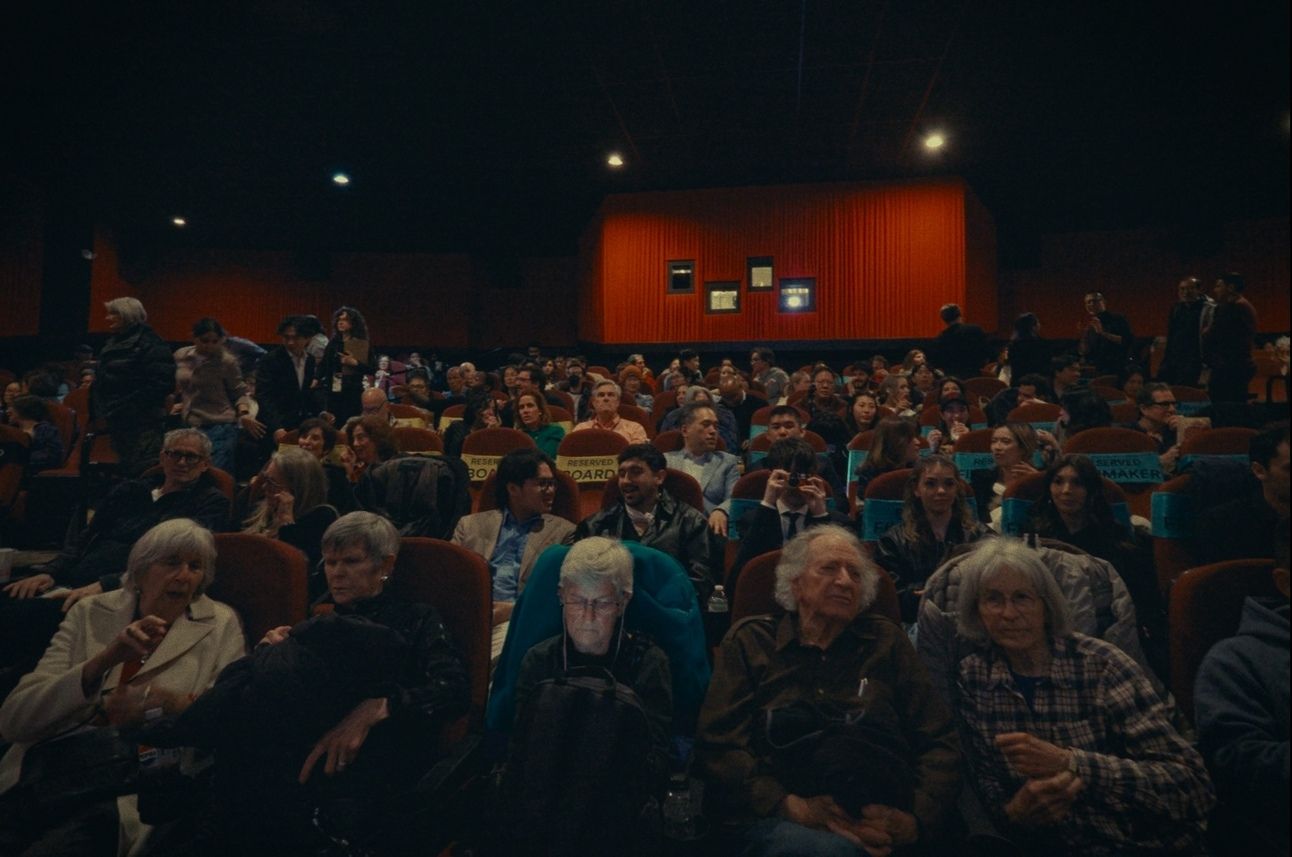
Seats filling up at our SFFilm Premiere
I’m still processing it all — the kind messages, the hard questions, the hugs from strangers, the warm awkwardness of seeing my parents watch the film for the first time. (Yes, there were tears.) I’ll be sharing more behind-the-scenes soon, but today I just wanted to share some core lessons that’s stuck with me since finishing and reflecting on this movie:
You Are One Edit Away From an Award-Winning Film
I spent the last two years editing ISLE CHILD myself. As the writer and director, I knew what every shot meant. Every moment was loaded with intention. And that made it nearly impossible to see the film for what it actually was.
Then, somehow, Harry Yoon — the legendary editor behind Minari and Thunderbolts — got a hold of the film through a mutual friend. He wanted to help. And like a surgeon, he stepped in, provided notes, guidance, and connected me to his friend, Abby Boyle. Abby restructured the film from the inside out. She could see what I couldn’t. She diagnosed what wasn’t working, and with surgical precision, helped the film become what it had always wanted to be.
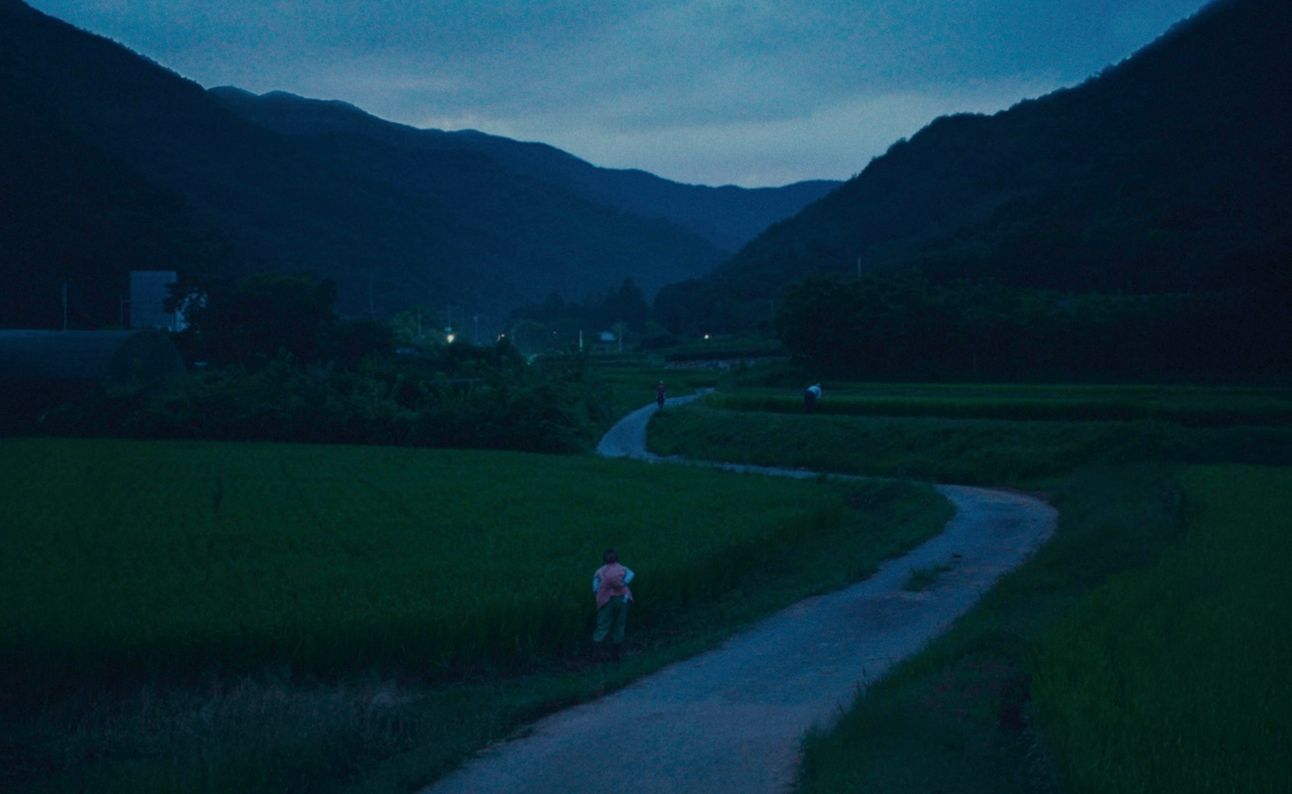
A frame from my movie, ISLE CHILD
Another friend of mine had a similar experience. They’d been cutting their indie feature Gazer alone, getting rejection after rejection from top festivals. Then they worked with Yorgos Lanthimos’s editor — and with a fresh cut, the film went on to premiere at Cannes and was picked up by Metrograph.
The footage hadn’t changed. But the edit had.
Second to the script, the edit is the most important part of the process. It will make or break your film. And unless your name is Sean Baker, don’t assume you can write, direct, and edit your way to a masterpiece. Editing isn’t just post-production. It’s storytelling.
It’s perspective.
Don’t Let Festivals Define You
After the premiere, I found myself thinking about how painful and arbitrary the festival circuit can be. For a long time, I saw festivals as the ultimate stamp of approval. Get in, and your work had value. Get rejected, and... maybe you were just another wannabe.
But the deeper I go, the more I realize how broken that mindset is.
Festivals receive thousands of submissions. They’re run by human beings with limited time, shifting tastes, internal politics, and often unspoken programming mandates. Sometimes your film just doesn’t line up with what they’re looking for that year. Or that week. Or that particular programmer’s mood on a Tuesday afternoon.
Even worse — first-time filmmakers are often judged against directors on their second, third, or fourth feature. You're being compared to people who have already failed, learned, iterated. And yet, you're expected to make something perfect on your first try.
But your first film shouldn't be your best. That’s the point. You're learning how to walk. The goal is growth — not perfection.
It’s wild to me that we expect to produce great artists without first supporting their early work. No Damien Chazelle without Guy and Madeline on a Park Bench. No Barry Jenkins without Medicine for Melancholy. No you, without the film you’re working on now.
So here’s my reminder — to you, and to myself:
Festivals are a zero-sum game. There are only so many slots. And often, for one film to shine, another has to be passed over. Don’t let that game define your worth. You didn’t become an artist to chase approval. You did it because something inside you had to be made.
As Christopher Nolan puts it:
“You have to stick to your guns and do what only you can do. You have to play to your strength. You have to do something that really excites you. It's what you can bring to the project that no one else can bring. That’s what’s going to distinguish it.”
So stick to your guns. Make what only you can make. And trust that it will find its people — maybe not today, maybe not through the expected channels — but eventually.
It will.
Best,
Thomas Percy Kim
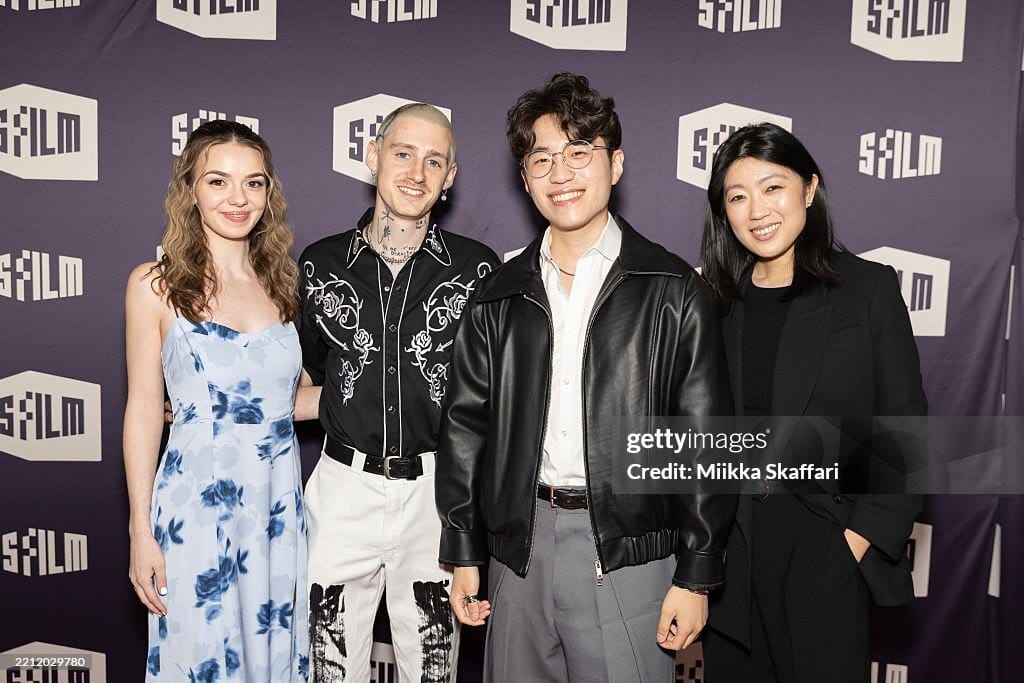
Producers, Ava, and me :)
Reply